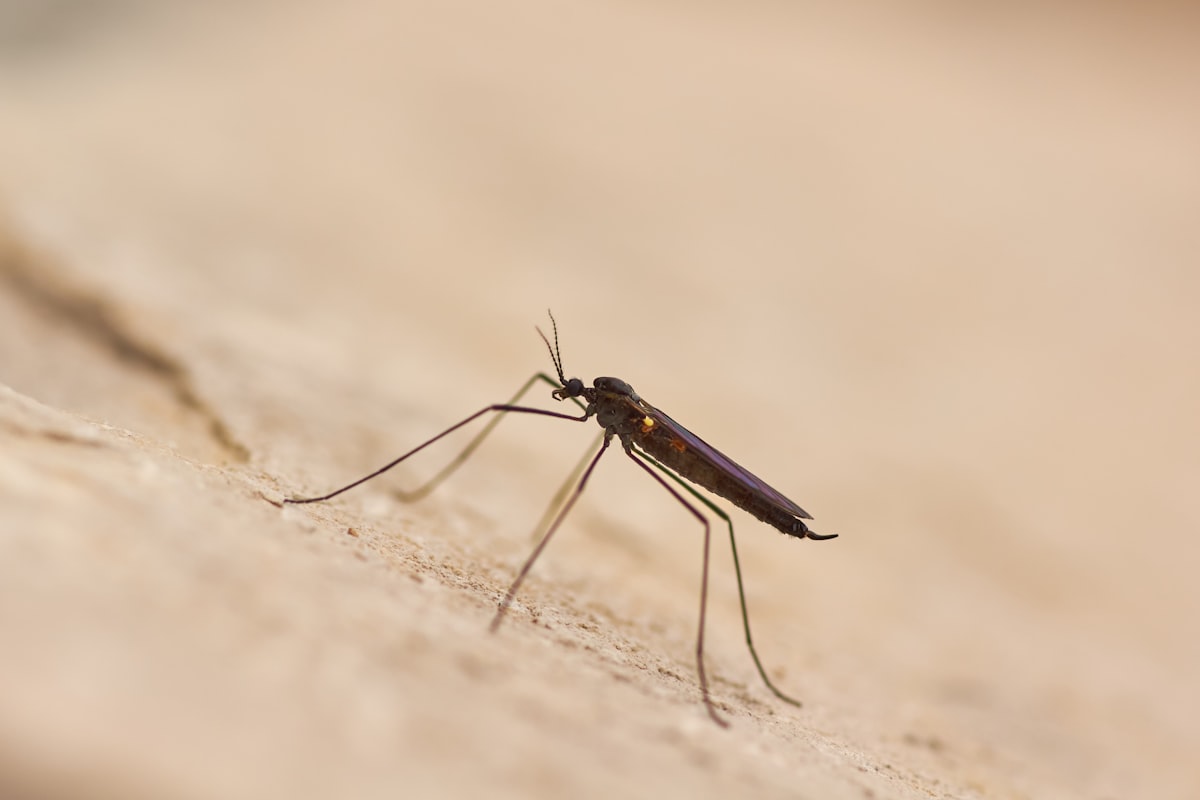
Termites
Silent, around the clock, out of sight.
Termites feed on your home 24 hours a day and can do it for years before a single sign shows. By the time damage is visible, the colony is often well established — which is why inspection matters more with termites than almost any other pest.
Where they come from
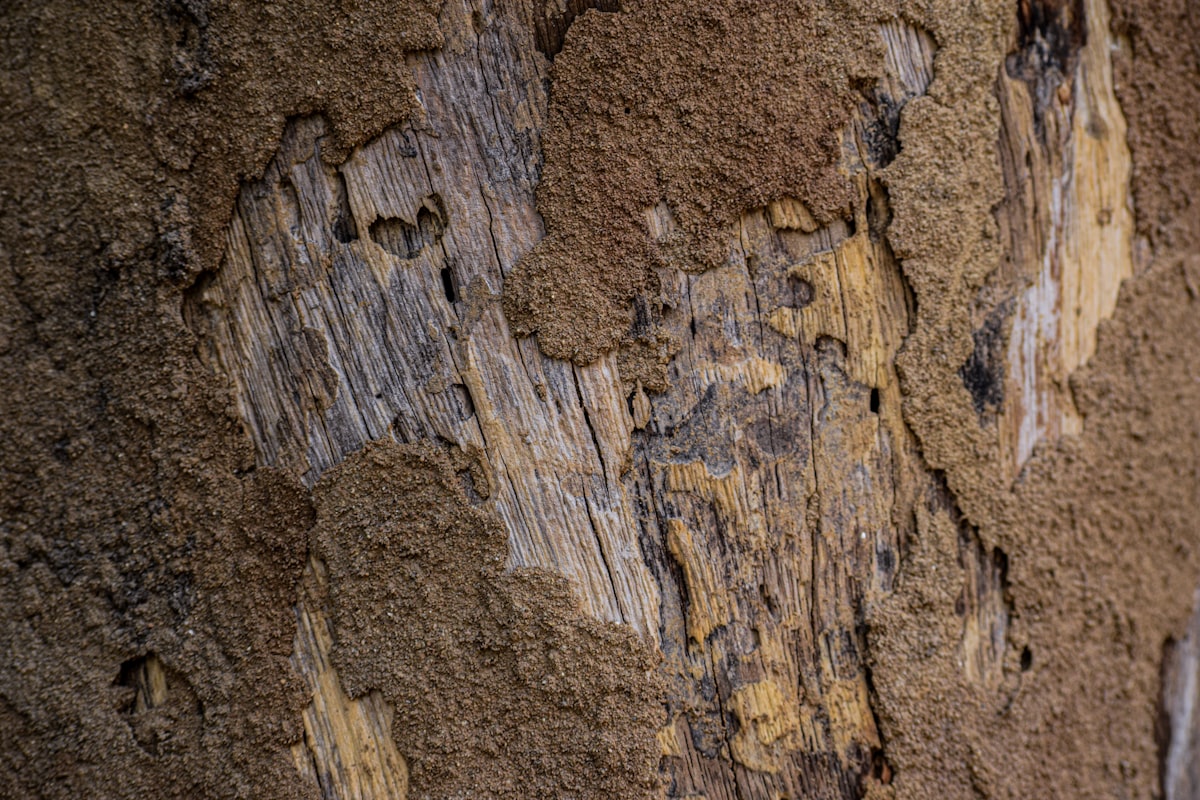
Two types dominate Southern California. Subterranean termites (Reticulitermes) live in the soil and build pencil-thin mud tubes to reach the wood above ground. Western drywood termites (Incisitermes) skip the soil entirely and live inside dry, sound wood — attic rafters, eaves, window frames, even furniture. Termites are among the oldest social insects on Earth, and every colony traces back to a single pair of winged swarmers that paired off and found a home.
Life cycle
A colony grows through egg and nymph stages into distinct castes: workers that feed on wood, soldiers that defend the nest, and reproductives. Once a colony matures — usually two to five years — it releases winged swarmers in spring and summer to start new colonies elsewhere. A single mature colony can number from tens of thousands to well over a million termites, and a queen can live for many years.
The damage they cause
Termites eat cellulose, the main component of wood, and they never stop. Working out of sight, they hollow out framing, subfloors, and trim from the inside — leaving a thin shell that looks intact until it's pressed. Termites cause billions of dollars in structural damage across the U.S. every year, and that damage is almost never covered by homeowners insurance.
Warning signs
- Pencil-width mud tubes running up the foundation or crawlspace
- Discarded wings in small piles near windows or light fixtures
- Wood that sounds hollow or has a blistered, rippled surface
- Tiny pellet-like droppings (frass) beneath drywood-infested wood
- Doors or windows that suddenly stick or feel warped
- Swarms of winged insects around the home in spring
We start with a full interior and exterior inspection to map the infestation, then match the fix to it — localized spot treatments and soil barriers for smaller problems, up to whole-structure fumigation when a drywood infestation is widespread.
Book your free inspection →